A reading routine to learn Japanese with manga.
Manga is one of the most motivating ways to practise Japanese: short lines, pictures that explain the context and stories you actually want to finish. The trick is a routine that keeps you reading the Japanese instead of skipping to the translation. Here is one that works, with the free tools to run it.
How do you learn Japanese with manga?
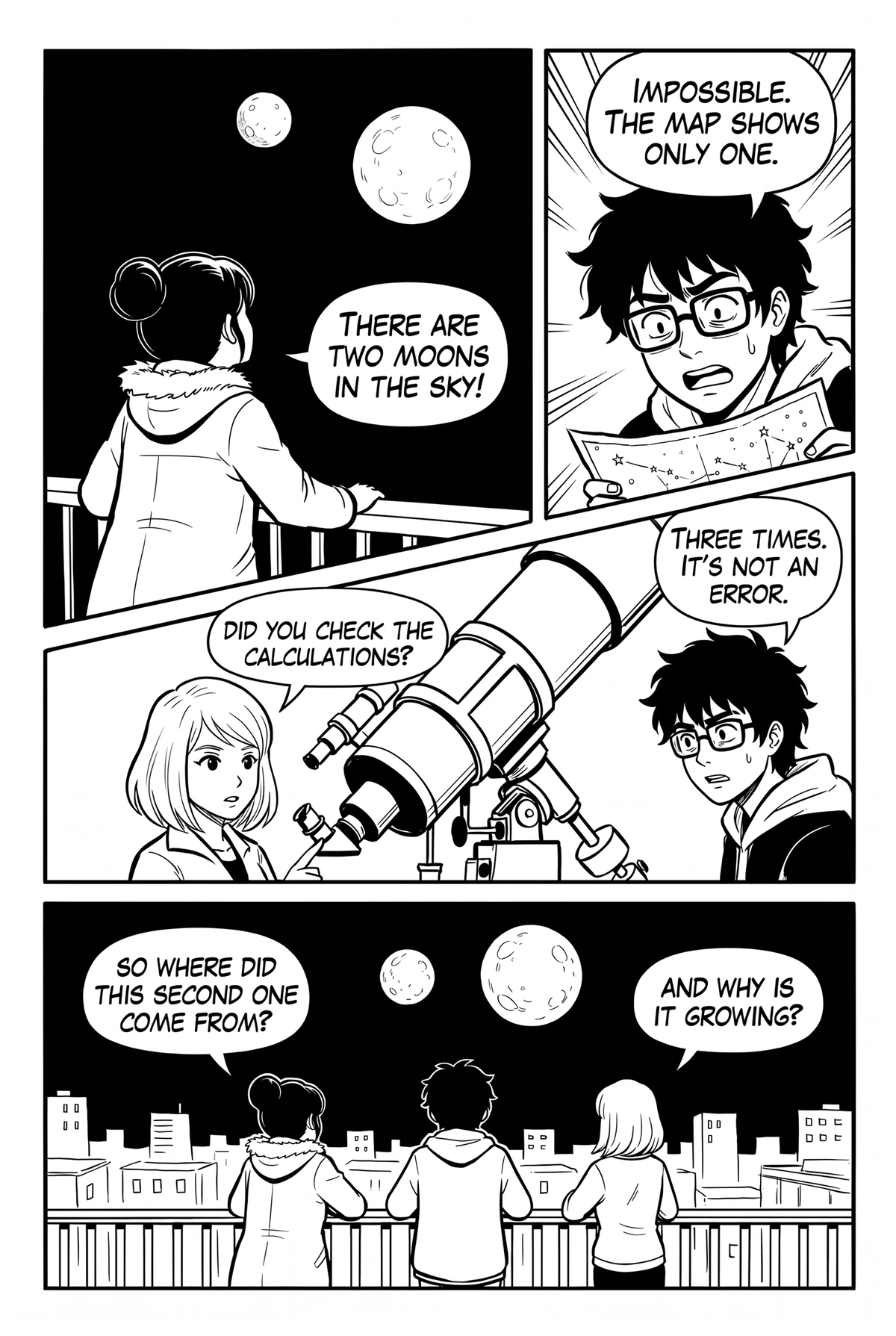
Read each page in Japanese first and guess the meaning from the pictures. Then translate the page, compare, and hover over the bubbles you missed to see the original line. Copy two or three useful sentences into a flashcard deck after every chapter. A manga translator that letters English into the bubbles and keeps the Japanese one hover away, such as Manhwave, makes this loop quick, and 50 free credits arrive every week without an account.
Key facts
- Japanese first, translation second, original line on hover.
- Mine two or three sentences per chapter, not every new word.
- Pick manga a little below your level: slice of life before politics.
- Free credits every week: 50 without an account, 100 after email confirmation.
Why manga works for learning Japanese.
Textbooks teach polite, complete sentences. Manga shows how people actually talk: short replies, dropped subjects, sentence endings that change with mood and character. The pictures carry half the meaning, so you can follow a scene with a fraction of the vocabulary a novel would demand.
Manga also repeats itself in useful ways. The same characters use the same phrases, a series keeps returning to the same places and topics, and by the third chapter you know the names and the setting. That repetition is what turns a word you looked up once into a word you recognise.
The trap is just as clear. With a translation one click away, it is easy to stop reading the Japanese at all. The routine below is designed to keep you in the original for as long as it is useful.
The routine: four passes per page.
Read the raw page
Before translating, read the page in Japanese. Use the art, the faces and the words you know to guess what is happening. Note the bubbles you could not follow.
Translate the page
Click Translate this chapter in Manhwave. The English is lettered into the bubbles, so you read the same scene again, now with meaning.
Hover the gaps
Hover over the bubbles you marked to see the original Japanese line next to its translation. This is where most learning happens: you see exactly which words you missed.
Mine a sentence
Pick two or three lines worth keeping, type them into your notes or a flashcard app such as Anki with the meaning, and move on.
Keep the mining small. Ten new cards per chapter is a lot to review a month later; three good sentences you will meet again are worth more. Choose lines with grammar you half know, not the rarest word on the page.
How to read manga in Japanese at your level.
| Your level | What to read | How to use the translation |
|---|---|---|
| Learning kana | Short slice-of-life or comedy chapters for younger readers, often with furigana on every kanji | Translate every page after a quick look; focus on reading the kana aloud |
| Beginner | School, cooking, sports and daily life stories | Read raw first, translate, hover the gaps; mine two sentences |
| Intermediate | Mystery, romance and drama with longer dialogue | Translate only pages you could not follow; check single lines with the hover |
| Advanced | Historical, political or technical series | Read raw; translate a page when you get stuck on dense narration |
General guidance. Pick something you would read in English anyway; interest beats the perfect level.
Manga written for younger readers often prints furigana, the small kana beside each kanji, which lets you read words you cannot yet recognise. Older-audience series drop it, so expect the jump to be noticeable. If you are not sure what you are looking at, our guide to the differences between manga, manhwa and manhua helps you spot a Japanese page.
Honest limits of learning from translated manga.
- Translation is not a teacher. A machine translation tells you what a line means in context, not why the grammar works. Pair the routine with a grammar resource.
- Furigana and tiny text. Small print beside kanji can confuse text recognition. If a hover shows an odd reading, trust the printed page.
- Slang and dialect. Manga is full of casual speech, regional dialects and invented words. A translation smooths these out, so treat odd endings as something to look up, not an error.
- Sound effects. Manhwave leaves drawn sound effects untranslated. They are a fun vocabulary set of their own, but you will need a dictionary for them.
For a look at what text recognition does with vertical columns and reading aids, see manga OCR explained. And for the step-by-step of translating a full raw chapter, read how to translate raw manga.
Tools you need and what they cost.
- A legitimate source of raw chapters: Japanese publishers run their own reader apps and websites, many with free first chapters.
- Desktop Chrome with Manhwave: translates the page in place, into English or any of 26 languages, with the original line on hover. It runs only in desktop Chrome, with no mobile version.
- A dictionary: for single words and kanji you want to look up properly.
- A flashcard app: for the sentences you mine.
Manhwave tops your balance up to 50 free credits every week without an account, or to 100 after you confirm your email. Credits are counted by text, not by images, so long webtoon strips are not more expensive. For a learner reading slowly, that is often enough. If you read more, see the plans. Start with the free credits; there is no API key and no setup.
EN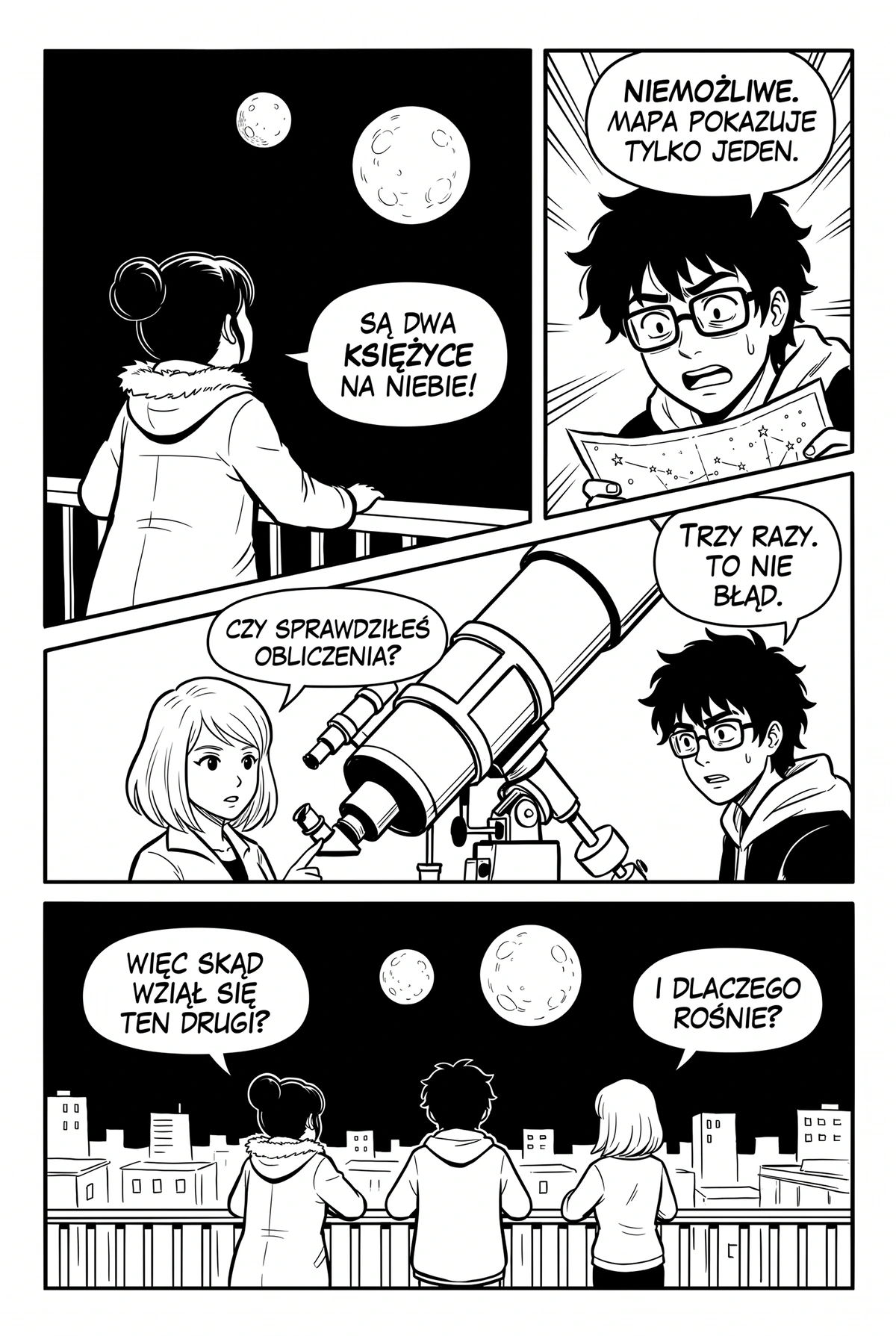 PL
How long until you can read manga in Japanese?
There is no honest single number. Kana take most learners a few weeks. The list of everyday kanji taught in Japanese schools has 2,136 characters, and manga for adults uses many of them. Most readers find that simple manga becomes readable with help long before it becomes easy.
That is exactly the gap this routine is for. You do not need to wait until you can read without help. Start now, use the translation as support, and watch the number of bubbles you need to hover go down chapter by chapter. If Korean is also on your list, the same method works with webtoons in learning Korean with webtoons.
What we measured.
The routine is a method, not a lab result. These are our own measurements of the translation side, with no series names.
Credits are counted by text, not by images: 1 credit per started 750 characters of source text, so long webtoon strips are not more expensive. Paid reading costs from about 1 cent per chapter.
Timing runs on a 20-page chapter: first translated page after about 5 seconds, whole chapter after about 37 seconds.
Release tests of version 0.3.3 on a 20-page and a 17-page manga chapter, four runs: every page translated, no failed pages.
Checked October 2026. Results vary with the site, the artwork and the amount of text.
Questions, answered.
Can you learn Japanese just by reading manga?
Is there an app to learn Japanese with manga?
How do I read manga in Japanese as a beginner?
Should I read manga with or without a translation?
Is it free to learn Japanese with manga this way?
By the Manhwave team · Last updated: October 11, 2026.
Related guides.
Read the Japanese. Check it in one hover.
Open a raw chapter in desktop Chrome, read it first, then click Translate this chapter.
Add Manhwave to Chrome for free50 free credits every week · no card · desktop Chrome