Manga, manhwa and manhua: the real differences.
Three words for comics from three countries. They share a lot, but the script, the reading direction and the page format are different, and those details decide how a chapter reads and how well it translates.
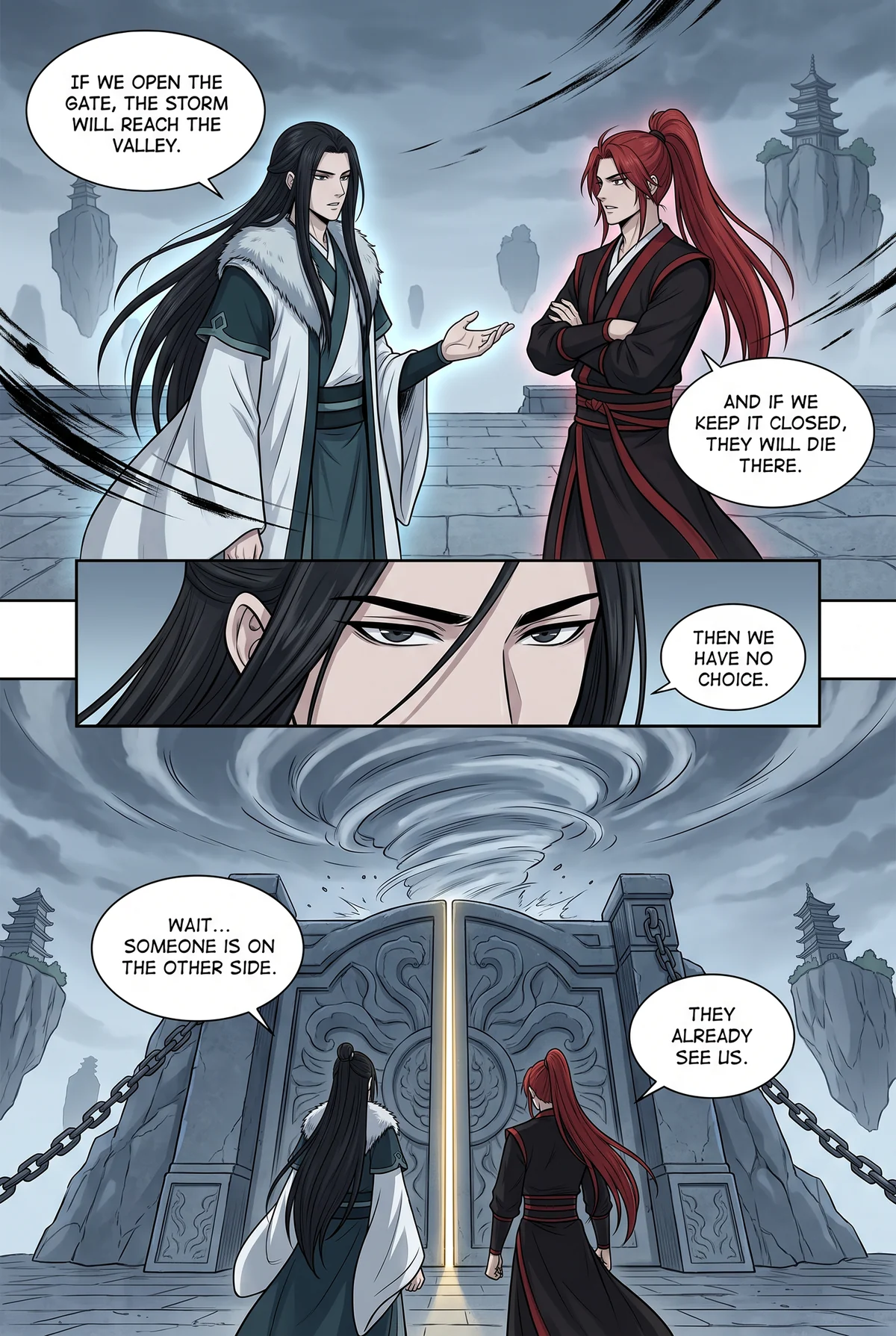
What is the difference between manga, manhwa and manhua?
Manga are comics from Japan, usually black and white and read right to left. Manhwa are comics from Korea, read left to right and today mostly published as full-colour vertical webtoons. Manhua are comics from China, read left to right, often in colour and often in long strips. The art styles overlap, so the quickest tell is the language on the page and the reading direction.
Key facts
- Manga: Japanese text, often vertical, pages read from right to left.
- Manhwa: Korean Hangul, horizontal text, scrolling strips read top to bottom.
- Manhua: Chinese characters, horizontal text, colour pages or long strips.
- Webtoon is a format (a vertical strip for phones), not a country. Most webtoons are manhwa.
Three words, three countries.
All three words mean the same thing in their own language: comics. Manga (漫画) is the Japanese reading of the characters, manhwa (만화) the Korean one and manhua (漫画 or 漫畫) the Chinese one. Outside Asia, readers use the three words to say where a comic comes from.
That is the only strict rule. A manhwa is a comic made in Korea, a manhua is a comic made in China, Hong Kong or Taiwan, and a manga is a comic made in Japan. Genre, art style and length do not decide the label. A Korean fantasy series drawn in a style that looks Japanese is still a manhwa.
The differences that readers notice every day come from publishing habits. Japanese magazines print in black and white and bind pages like a book. Korean and Chinese platforms grew up on phones, so many series are drawn in colour as one long vertical strip.
Manga vs manhwa vs manhua side by side.
| Manga | Manhwa | Manhua | |
|---|---|---|---|
| Country | Japan | South Korea | China, Hong Kong, Taiwan |
| Script on the page | Japanese: kanji, hiragana, katakana | Korean Hangul | Chinese characters, simplified or traditional |
| Text direction in bubbles | Often vertical, top to bottom | Horizontal | Horizontal (vertical in some older print titles) |
| Reading direction | Right to left | Left to right, or straight down on a strip | Left to right, or straight down on a strip |
| Typical format | Printed pages, collected volumes | Vertical webtoon strips, some printed books | Long strips and colour pages |
| Colour | Mostly black and white with screentones | Mostly full colour | Often full colour |
| Release rhythm | Weekly or monthly magazine chapters | Weekly episodes on platforms | Frequent web updates |
General patterns, not rules. Every country has colour manga, printed manhwa and black and white manhua.
How to tell them apart in ten seconds.
- Look at the letters. Round, blocky syllables built from small circles and lines are Hangul, so it is manhwa. A mix of complex characters and simple curvy signs is Japanese. Only dense, square characters with no curvy signs points to Chinese.
- Check the bubble. Tall, narrow bubbles with text running in columns are almost always Japanese.
- Check the direction. If the first panel sits at the top right and the story moves left, it is manga.
- Check the scroll. One endless vertical strip with wide gaps between panels is the webtoon format, used mostly by manhwa and many manhua.
Names and settings help too. Murim and martial arts sects are typical of manhwa, cultivation and immortal sects of manhua, and school clubs and part-time jobs of manga, although every genre now travels across borders.
Where do webtoons fit in?
A webtoon is a comic drawn for vertical scrolling on a phone. The format started in Korea and is now used by creators everywhere, so a webtoon can be Korean, Chinese, Japanese or American. In everyday speech, though, "webtoon" usually means a full-colour Korean series.
Official platforms such as WEBTOON, Tapas, Tappytoon and Manta publish licensed webtoons in several languages. When a series is not available in your language there, the gap is what translation tools try to fill.
EN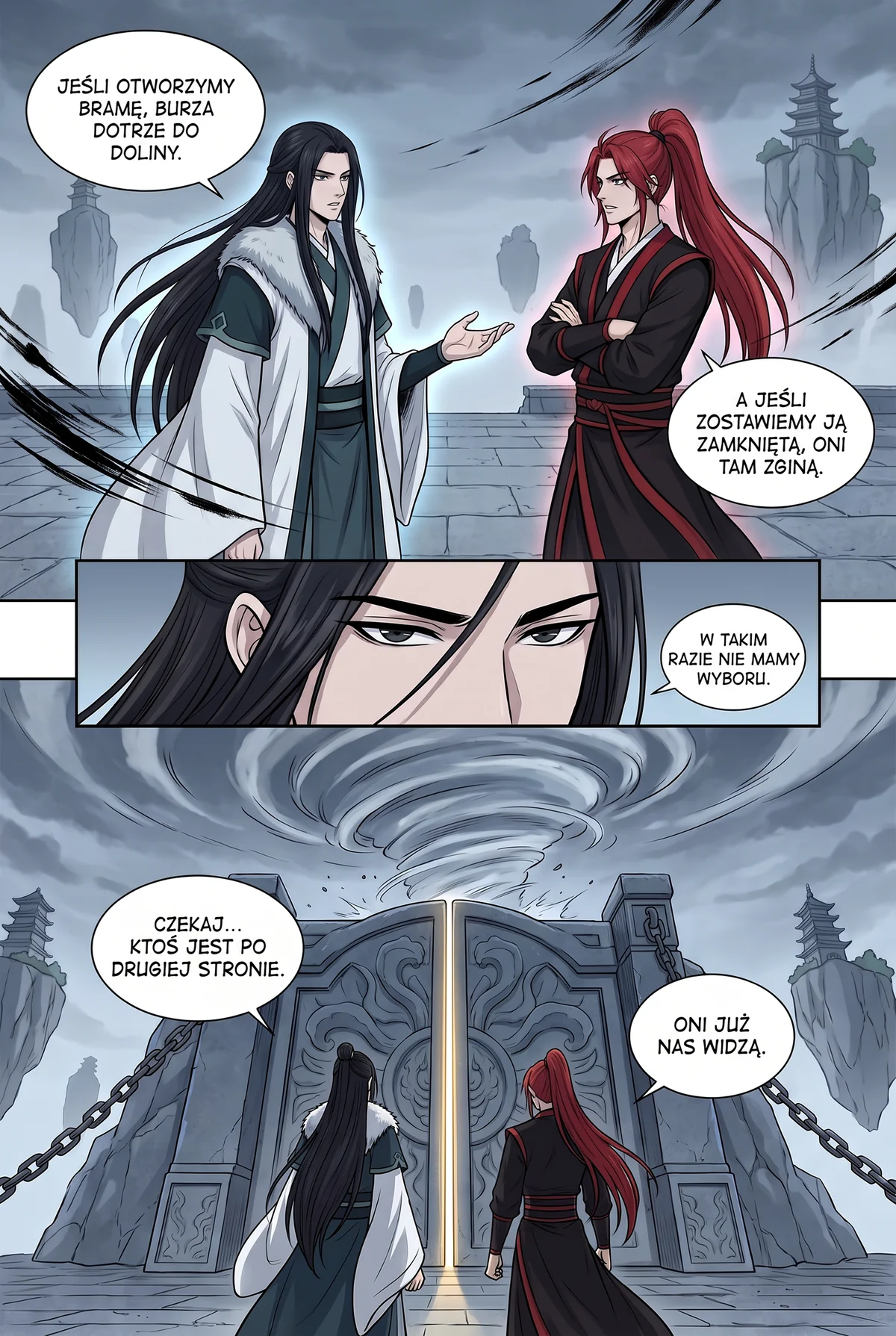 PL
Why the difference matters when you translate.
A translator has to read the page before it can translate it, and each script brings its own traps.
- Manga: vertical columns, tiny furigana next to kanji, hand-drawn shouts. Text recognition has to follow the column order and ignore the reading aids.
- Manhwa: Hangul is horizontal and clean, but long strips hide bubbles that are cut in half where one image ends and the next begins.
- Manhua: dense Chinese text in small bubbles and recurring terms for ranks, sects and techniques that must be translated the same way every time.
- All three: sound effects are drawn into the art, and colour pages need the background rebuilt cleanly after the original text is removed.
Manhwave reads English, Japanese, Chinese and Korean pages. Korean uses a small extra text reader (13.5 MB) that downloads once, automatically on Korean sites and otherwise after asking you. Bubble detection, text recognition and the clean-up of the original lettering run on your own computer, full-size pages are never uploaded or stored, and the recognised text is translated into any of 26 languages. Sound effects are left as drawn.
If you want the practical side, read our step-by-step guides to translating raw Japanese manga, Korean manhwa and Chinese manhua.
What we measured.
The format notes above come from building and testing a translator on all three kinds of comics. These are our own numbers, with no series names.
Credits are counted by text, not by images: 1 credit per started 750 characters of source text, so long webtoon strips are not more expensive. Paid reading costs from about 1 cent per chapter.
On a 132-page Korean webtoon chapter the Korean reader downloaded automatically after 6 pages (16 seconds) and was ready after page 9.
Before version 0.3.3 we ran a 20-page and a 17-page manga chapter four times with the production setup: every page translated, no failed pages.
In our lab timing runs on a 20-page chapter the first translated page appeared after about 5 seconds and the whole chapter took about 37 seconds.
Checked October 2026. Results vary with the site, the artwork and the amount of text.
Questions, answered.
Is manhwa just Korean manga?
Is manhua the same as manhwa?
Why do some manga read from right to left?
Is a webtoon a manhwa?
Can one tool translate manga, manhwa and manhua?
By the Manhwave team · Last updated: October 11, 2026.
Related guides.
Read all three in your language.
Manga, manhwa or manhua: open a chapter, click Translate this chapter and keep reading.
Add Manhwave to Chrome for free50 free credits every week · no card · desktop Chrome