How manga OCR reads a page: bubbles, columns and Hangul.
Every manga translator starts with OCR: optical character recognition, the step that turns lettering in a picture into text a computer can translate. Comics are one of the hardest places to do it, and where it runs (on your device or on a server) decides what happens to your pages.
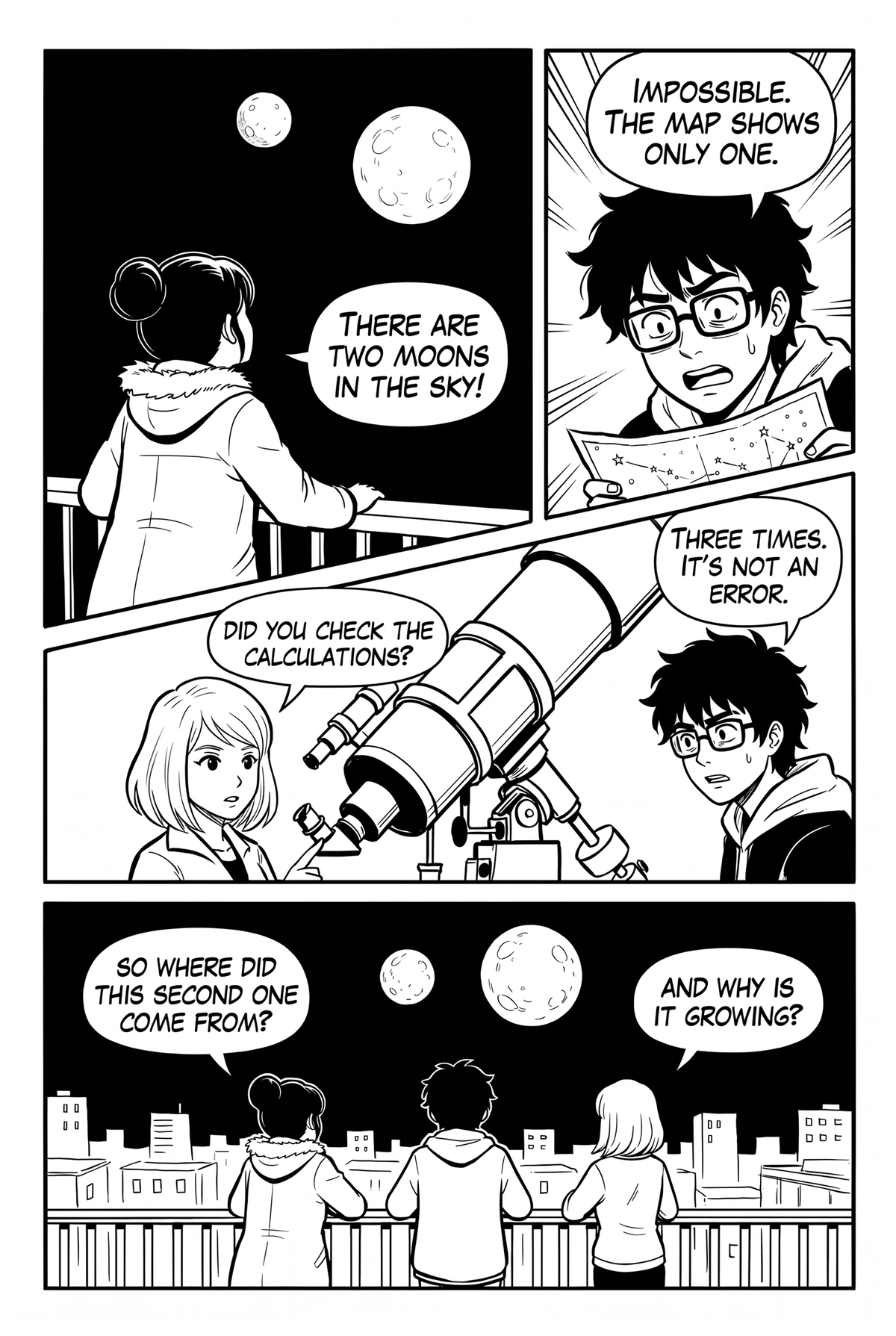
What is manga OCR and how does it work?
Manga OCR is text recognition tuned for comics. It works in stages: a detector finds the speech bubbles and text areas, an OCR model reads the characters in the right order (including vertical Japanese columns, Korean Hangul and Chinese characters), and a filter throws away fragments that are not real dialogue. The recognised text is then translated and lettered back. In Manhwave these stages run on your own device in Chrome, and full-size pages are never uploaded or stored.
Key facts
- Three stages: find the text, read it, filter out noise.
- Vertical Japanese, furigana and stylised lettering are the hardest cases.
- Manhwave reads English, Japanese, Chinese and Korean; Korean uses a 13.5 MB reader downloaded once.
- On-device OCR means full-size pages are never uploaded or stored.
Why manga OCR is harder than reading a document.
Document OCR expects straight lines of printed text on a white background. A manga page breaks almost every one of those assumptions.
- Text sits inside art. Bubbles overlap panels, narration boxes sit on screentone, and shouts are drawn on top of action lines.
- Direction changes. Japanese dialogue usually runs in vertical columns read right to left, while signs and side notes may be horizontal on the same page.
- Small reading aids. Furigana, the tiny kana printed next to kanji, are useful for readers but confuse a model that should read the main text.
- Hand lettering. Sound effects and emotional lines are drawn, stretched and rotated rather than typed.
- Long strips. In webtoons a bubble can be split across two images, so half a sentence sits at the bottom of one image and the rest at the top of the next.
The three stages of a manga OCR translator.
Detect
A detector looks at the whole page and marks where text is: speech bubbles, narration boxes and free-floating lines. Good detection keeps each bubble as one unit, so its lines stay together and in order.
Recognise
An OCR model reads the characters inside each region. For Japanese it follows vertical columns from right to left; for Korean and Chinese it reads mostly horizontal lines. The output is plain text per bubble.
Filter
Not everything that looks like text is dialogue. A filtering step drops fragments such as stray marks, pieces of sound effects or misread texture, so the translator is not asked to translate noise.
After OCR, a translator turns the clean text into another language, and a lettering step removes the original text and draws the translation into the bubble. Manhwave also does that artwork cleanup on your device; full-size pages are never uploaded or stored.
Japanese, Korean and Chinese: what each script needs.
| Japanese | Korean | Chinese | |
|---|---|---|---|
| Typical layout | Vertical columns, right to left | Horizontal lines | Horizontal lines, some vertical in print |
| Characters | Kanji, hiragana, katakana | Hangul syllable blocks | Simplified or traditional characters |
| Main traps | Furigana, mixed directions | Bubbles split across strip images | Dense text in small bubbles |
| In Manhwave | Built in | Small Korean reader, 13.5 MB, downloaded once | Built in |
English source pages are also supported.
The Korean reader is downloaded automatically when you translate on a Korean site, and otherwise after asking you. In our test it was fetched within the first pages of a chapter; the first few pages before it is ready may be less accurate. For the practical side of each language, see our guides to Japanese raws, Korean manhwa and Chinese manhua.
On-device OCR vs cloud OCR.
Where OCR runs is a design choice with real consequences. A cloud tool sends the page image to a server, reads it there and returns text or a new image. An on-device tool reads the page inside your browser and only sends what it needs.
- Google Lens in Chrome: when you choose Search with Google Lens, Chrome sends a screenshot of the page and page data to Google, kept temporarily to process the query. (Google Chrome Help)
- Copyfish: a popular OCR extension that captures an area of an image, video or PDF and reads it through the ocr.space API. (Chrome Web Store)
- Manhwave: detection, OCR and artwork cleanup run on your device, and full-size pages are never uploaded or stored. The recognised text goes to translation; for some languages a small low-resolution grayscale preview of the page goes with it, for that request only.
On-device OCR keeps your pages private and avoids uploading heavy images, which helps on long webtoon chapters. The cost is that your computer does the work, which is why Manhwave is a desktop Chrome extension. If privacy is your main concern, our checklist on whether a manga translator is safe goes further.
Where manga OCR still struggles.
No OCR is perfect on comics. These are the cases where you should expect mistakes from any tool, ours included:
- Handwritten sound effects. They are part of the drawing. Manhwave leaves sound effects as drawn instead of guessing at them.
- Tiny furigana and very small print. Low-resolution pages make small characters ambiguous.
- Heavily stylised fonts used for spells, titles or shouting.
- Text on busy backgrounds without a bubble, such as captions over a crowd scene.
- Pages drawn on a protected canvas. Some reader sites do not expose pages as regular images, so no extension can read them.
In Manhwave the original text is one hover away. If a translated line looks wrong, hover it: you will see whether OCR misread the bubble or the translation chose an odd phrase.
EN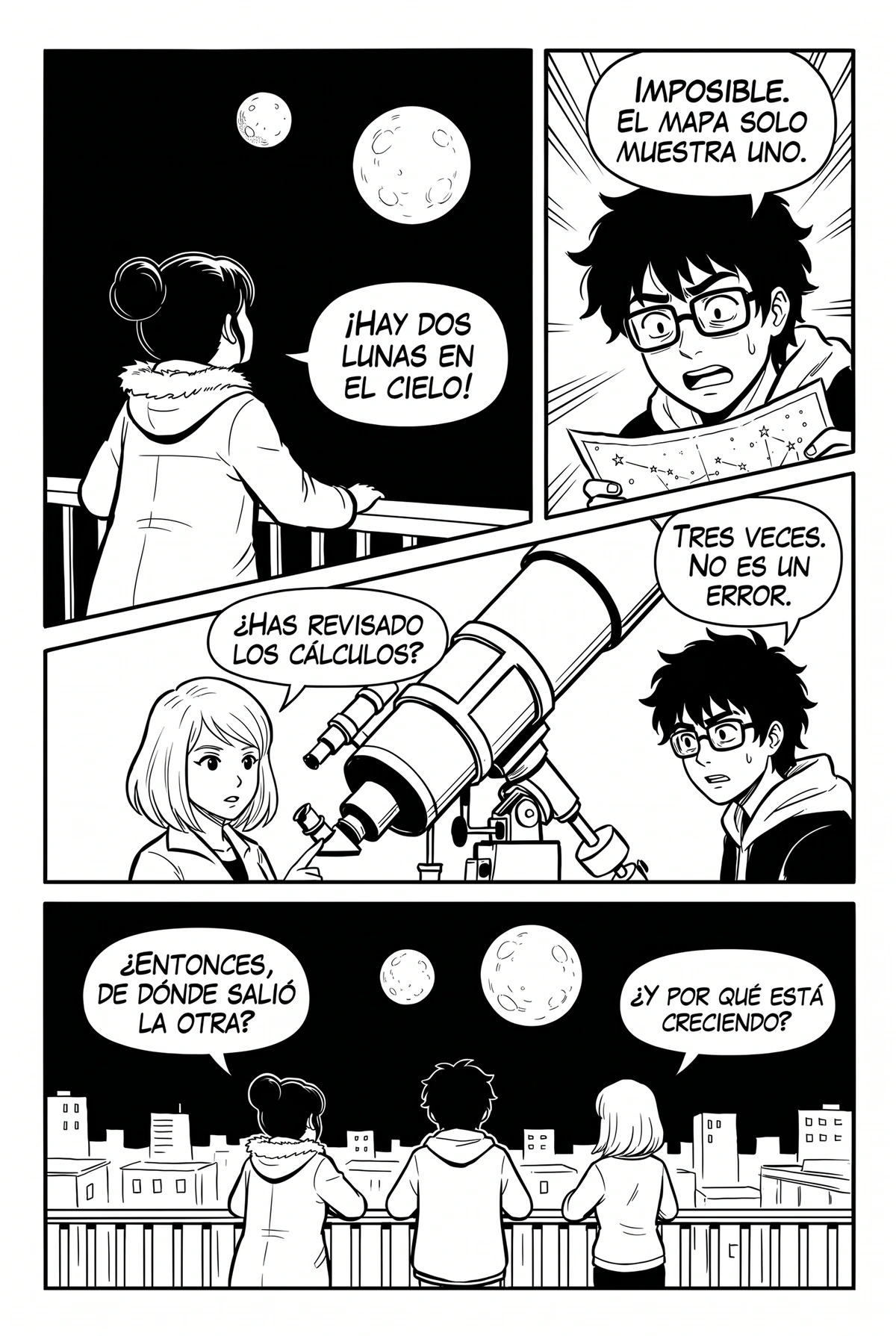 ES
Using a manga OCR extension in Chrome.
If you want OCR and translation in one step, a Japanese OCR Chrome extension that also letters the result saves you the copy and paste. Manhwave works on reader sites that show chapter pages as regular images, including WEBTOON, Tapas, Tappytoon and Manta, and translates into 26 languages. Pages you are looking at are translated first.
You can start without an account with 50 free credits every week, or 100 after confirming your email. Credits are counted by text, not by images, so long webtoon strips are not more expensive. See pricing or start here. For a broader view of tools that read text in images, see translating images in Chrome.
What we measured.
Our own measurements of the OCR and translation pipeline, with no series names.
On a 132-page Korean webtoon chapter the Korean reader (13.5 MB) downloaded automatically after 6 pages (16 seconds) and was ready after page 9.
Release tests of 0.3.3: a 20-page and a 17-page manga chapter, 4 runs with the production setup, every page translated, 0 failed pages, 0 re-sends.
On a 20-page chapter the first translated page appeared after a median of about 5 seconds; the whole chapter took about 37 seconds.
Credits are counted by text, not by images: 1 credit per started 750 characters of source text, so long webtoon strips are not more expensive. Paid reading costs from about 1 cent per chapter.
Checked October 2026. OCR accuracy depends on image resolution and lettering style.
Questions, answered.
What is manga OCR?
Is there a manga OCR extension for Chrome?
Can OCR read vertical Japanese text?
Does manga OCR work offline?
Why does OCR skip sound effects?
By the Manhwave team · Last updated: October 11, 2026.
Related guides.
OCR on your device, translation in the bubble.
Open a chapter in desktop Chrome, click Translate this chapter and let Manhwave read, translate and letter it on the page.
Add Manhwave to Chrome for free50 free credits every week · no card · desktop Chrome